Featured

IBS – what is it, and what can be done?

For as long as I can remember, I’ve had a sore tummy.  Most food affected my stomach – I couldn’t eat bread or ice cream; pasta made my tummy ache even more; and I never ate white rice.  I was always constipated.  As a small child growing up in rural South Africa, it was difficult to get to see specialists in a big city.  So, when we did get to see a specialist, I was usually put on some eating plan or another.   One sticks out in my mind – bland oats for breakfast, some bland dish for lunch, and chicken blanched in milk and plain boiled potatoes for supper.  Very difficult for a young girl while her sisters taunted her with their delicious food!  This was the longest 6 weeks of my young life.  On and on the eating plans went, throughout my childhood and teenage years.  And none of them worked.  One good thing came from this though – I never ate fast foods like pizzas, hamburgers and pies, and still don’t, as I never developed a love for it.  I also never drank fizzy drinks.  Little did I know that, later in life, I would study the disastrous effects these foods have on the gut!

I eventually went for my first colonoscopy when I was in my late 20’s.  The gastroenterologist found that I have an elongated colon and extremely irritated intestines, thus the diagnosis of Irritable Bowel Syndrome (IBS).  So more eating plans followed – no acidic foods;  no brassica vegetables; no cruciferous vegetables; no condiments; no pepper; no chilli; eat steamed prunes; stay away from steamed prunes.   But no-one seemed to have the answer.  The general consensus was to live with it.  Then I was prescribed Nexium, a drug that contains esomeprazole.  And it worked!  You cannot believe how relieved I was. 

However, slowly but surely the symptoms returned.  The Nexium went up in strength, and the constipation got worse.  Not a fan of laxatives, I tried natural products such as Psyllium husks and senna, but to no avail.  By now, I knew which foods to avoid and hardly ever ate anything that contained wheat.  We moved to the UK from South Africa 5 years ago, and my GP in the UK advised me to stop taking Nexium.  This made me research the consequences of long term use of proton pump inhibitors (PPIs) such as Nexium, and I decided to look into IBS, the effects of Nexium and other products that contain esomeprazole and how to cure IBS naturally.

What exactly is IBS?

IBS is the most common digestive system disorder, with millions of people suffering from it.  So, I wasn’t as unique as I thought I was!  The most common symptoms are gas, abdominal pain and abnormal bowel habits.  IBS does not have a single cause that can be pinpointed, and there is no known generic cause.  So, how does it occur, and why?  I’m going to try and give you a short and simplistic answer.

During the peristalsis process, the contents of the intestine are squeezed towards the anus.  Now, bear in mind that the small and large intestines are about 15 feet long (or 4.5 metres), so there are a lot of peristalsis happening, normally totally painless.  Most people are not aware of this process, but for some, there is an abnormal squeeze within the bowel, the intestine becomes more sensitive and the person experiences pain and is uncomfortable.  If you suffer from IBS, these movements can be extremely painful.

But logic tells you there must be a cause, right?  Maybe it is irregular eating habits, or following an unhealthy diet.  Or maybe – and I strongly feel that this is the main cause – IBS sufferers have above-average feelings of anxiety, stress or depression.  Stress worsens the IBS symptoms and research has shown that there is a strong interaction between the nervous system in the gut and brain, emotional state and the immune system of the gut. (www.gutscharity.org.uk; Giulia Enders: Gut – The Inside Story of our body’s most underrated organ)

Esomeprazole – good or bad?

As I mentioned, I started taking Nexium, and the dosage became stronger and stronger.  After the advice of the GP, I researched PPIs.  PPIs reduce stomach acid secretion.  It affects the parietal cells (or epithelial cells – for those CSI enthusiasts, they always look for epithelial cells under fingernails of the beautiful dead girl – types of cells that line the surface of the body as well as organs that are totally unique to each person) that secrete hydrochloric acid and intrinsic factors that assist in Vitamin B12 absorption.  (Intrinsic factors are the genetic, physiological, and pathological characteristics of a person, in other words, these are traits that are “intrinsic” to a person rather than being determined by that person’s environment.)  You need stomach acid to be able to break food down for easier digestion.  It also helps your body absorb nutrients better as the food moves through your digestive tract.  Remember that the digestive tract starts in your throat and ends in our anus.  So it needs a lot of nutrients to keep the body going!

But that is not the only damage PPIs cause.  It also interferes with the body’s ability to absorb calcium, resulting in expedient bone loss, which in turn leads to an increased number of bone fractures.

This said, there is some good in esomeprazole.  It helps heal acid damage to the stomach and oesophagus, helps prevent ulcers, and may even help prevent cancer of the oesophagus.  The trick is in the dosage and length of time you use it.  I am not a health practitioner and cannot tell you when or what to use, I am just telling you what I have experienced throughout the years with my IBS and subsequent medication.

Did I cure my IBS?

I would love to say yes, I have.  But IBS is not something that can be cure easily, or at all.  I learnt my eating habits from my parents, who learnt it from theirs, who learnt it from theirs, etc.  So, throughout the years, I depleted my intestine of microbiomes – defined as “a community of microorganisms (such as bacteria, fungi, and viruses) that inhabit a particular environment and especially the collection of microorganisms living in or on the human body.  The intestinal microbiome consists of the microorganisms that inhabit the gut.” (www.meriam-webster.com/dictionary/microbiome).  Tiny inflammations plague my bowel, and I developed food intolerances, especially gluten – something quite common amongst IBS sufferers.  I have seen many, many doctors and specialists and I suspect many of them saw me as a hypochondriac.  It is difficult to be taken seriously when there is no visible damage to the gut.  And I am also a person who stresses about a lot of things, aggravating the IBS.  So I decided to make massive changes. 

Firstly, I made peace with the fact that, if I cannot cure IBS,  I can learn to control it.  I enrolled at The College of Naturopathic Medicine (CNM) in London on their Natural Chef course.  There I learnt, amongst others, about intestinal health, the digestive system and how to treat a myriad of ailments with healthy food and herbs.  I attended sourdough courses, learning how to bake my own delicious, super healthy bread, using stoneground flour from local millers and starters that are many years old.  My husband makes the most amazing muesli from ingredients he gets from our local organic community shop, and this alone has alleviated my constipation.  I make kefir water as well as my own wheatgrass shots, which I have every day.  I developed a love for fermented foods, and make my own sauerkraut, kimchi, sriracha sauces – I love chili – and other fermented foods.  I also make my own jams, thus ensuring I don’t eat too much sugar!  Fermented foods are the best way to replace the lost microbiomes in the intestine, and as I mentioned earlier, gut health and mental health are closely related.  Thus – a healthy gut means a healthy mind.

Another change I made to my lifestyle is exercise.  I do not like exercising.  To be honest, I would much rather sit and read a book than do any type of exercise.  But knowing now that esomeprazole depletes your bones of calcium, and exercise is necessary to strengthen bones; I do Reformer Pilates and have a Personal Trainer.  So I am addressing two issues – I am getting stronger and the exercise releases endorphins in my brain, lessening any anxiety I may have.  I’m still stressed, but am working on that!

Secondly, I continue to study.  I am currently doing the Health Coach course through CNM, and am enjoying it tremendously.  I hope to be able to help other people with similar problems through my blog!

How did these changes help my IBS?  I still take a Nexium once every six weeks or so (especially during the Christmas period …) but my tummy cramps are minimal, I have the occasional reflux but I know now that I ate or drank something I shouldn’t have.  My colon is still elongated (obviously!) and I am working on my stress levels!

Which foods are best for IBS and which must be avoided?

The following foods are generally seen as food to be avoided when you have IBS:

  • Insoluble fibre, for example whole grains and certain vegetables
  • Gluten
  • Dairy – rather eat greens, beans, nuts, sardines and seeds
  • Fried foods – they are high in fat content and frying means the chemical makeup of the food changes, making it difficult to digest. Rather roast your food!
  • Beans and legumes – beans are good and bad for IBS. It can increase IBS symptoms, but they also increase bulk in stool to help with constipation. Soak beans and legumes overnight and rinse thoroughly before cooking.
  • Caffeinated drinks – coffee has a stimulating effect on the intestines that can cause diarrhoea. Fizzy drinks such as sodas, as well as energy drinks that contain caffeine can be triggers for people with IBS. If you need an energy boost or pick-me-up, rather eat a small snack or go for a quick walk instead.
  • Processed foods – they have added sugar, fat and salt, all which are dangerous for your digestive system.  In fact, it is dangerous for your whole body as it can cause cancer, cardiovascular diseases, obesity and high blood sugar.
  • Sugar-free sweeteners.  Rather stay away from anything artificially sweetened or sugar-free, as they can cause gas, constipation and general digestive discomfort.
  • Chocolates – high in fat and sugar and most often contains caffeine.  If you really have to have chocolate, rather choose a vegan option.
  • Alcohol – alcohol leads to dehydration, which can affect digestion.  Your colon needs to be hydrated to work effectively.  Beer, for example, often contains gluten, and wines and mixed drinks can contain high amounts of sugar. Try gluten-free beer or a drink mixed with sparkling water without added sugar or artificial sweetener.
  • Garlic and onions – so good for flavouring foods and for a myriad other ailments, but are difficult for the intestines to break down, thus causing gas and discomfort in IBs sufferers.
  • Broccoli and cauliflower – these are difficult for the body to digest, especially when raw.  Try roasting or sautéing them – this makes it easier to digest and reduces gas and cramps.

Now that I have taken away most of your favourite foods, what can you eat?  Most people follow the FODMAP diet (FODMAP stands for fermentable oligosaccharides, disaccharides, monosaccharides and polyols, all fermentable short-chain carbohydrates.  I will discuss this in another blog!).  However, take care, as many of the taboo foods above are included in the FODMAPS (www.healthline.com/health/digestive-health) .  Speak to your nutritionist before you embark on a FODMAP diet, as with any diet, to make double sure you are doing what is right for your body.

I hope you have found the above interesting and helpful!  Thank you for reading to the end, and I look forward to hearing from you!

Headaches and Migraines

We all suffer from headaches at some or other stage in our lives. Only 4% of the world population claims to never have had a headache. The International Classification of Headache Disorder Committee discovered that there are 14 different categories of headaches, separated into 3 categories:

Primary headaches, such as migraines; tension headaches and cluster headaches (Trigeminal autonomic cephalalgias or TACs). These headaches have no direct of identifiable cause and remains a mystery.

Secondary headaches, such as headaches due to trauma or injury to the head and/or neck; headaches due to cranial or cervical vascular disorder (potentially a serious underlying disorder such as inflammation of blood vessels); headaches due to non-vascular intracranial disorder (simply put, headaches caused by high or low cerebrospinal fluid pressure); headaches caused by a substance or substance withdrawal; headaches attributed to infection; headaches caused by a disorder of homeostasis (heart failure of diabetes); headaches due to disorder of the cranium, neck, eyes, ears, nose, sinuses, teeth, mouth etc.; and headaches attributed to psychiatric disorders. The abovementioned headaches all have a cause, either infection or tumours.

Other headaches, eg. due to lesions of the cranial nerves and other facial pain and all other headache disorders.

However we look at it, headaches are not fun. Like cluster headaches (or TACs) and migraines, they can be debilitating. Let’s start with TACs, as very few people have ever had cluster headaches. They are considered the worst pain a human can experience and are rare. The main symptom is severe, excruciating pain on one side of the head, often felt around the eye. This pain can last anything from 15 to 180 minutes, sometimes even longer. Unlike migraines, TACs are not triggered by food, hormonal changes or stress, but is thought to be caused by abnormalities in the body’s biological clock (the hypothalamus, which regulates hormones that control blood pressure, body temperature, growth, to name a few). To date, the exact cause of TACs is unknown. Treatments range from injections to nasal sprays, which must be used as soon as the headache starts. TACs are more prevalent among men and usually start around ages 30 – 40. Bouts of frequent attacks (cluster periods) can last weeks, even months, and are followed by remission periods when the headaches stop completely, sometimes for months or years.

Common signs and symptoms of TACs are:

  • Excruciating pain in or behind one eye, which may radiate to other areas of your face, head and neck
  • One-sided pain
  • Restlessness
  • Excessive tearing
  • Redness of the eye on the affected side
  • Stuffy or runny nose on the affected side
  • Sweating on the affected side
  • Pale skin or flushing of the face
  • Swelling around the affected eye
  • Drooping eyelid on the affected side

During cluster periods, TACs usually occur every day, sometimes even several times a day. A single attack can last from 15 minutes to 3 hours, often happening at the same time every day. These attacks occur mostly during the night, between 1 and 2 hours after going to bed. The pain usually ends as suddenly as it begins, leaving the sufferer pain-free but exhausted.

The second, most debilitating headaches are migraines. Migraines are among the most puzzling and mysterious ailments, are wholly individual and there are no exact cause for them. Some theories are that migraines may be the result of abnormal brain activity which temporarily alters nerve signals, chemicals and blood vessels in the brain; or it may be because of the accumulation of several stressors over time. These stressors ultimately affect the serotonin metabolism. Serotonin is a neurotransmitter, and can be consider a hormone. The body uses it to send messages between nerve cells. It appears to play a role in mood, emotions, appetite, and digestion. As the precursor for melatonin, it helps regulate sleep-wake cycles and the body clock. (In order to explain serotonin metabolism, I will have to write a whole new blog. I will just mention that serotonin is chiefly metabolized in the liver). These stressors basically release inflammatory substances into the nerves and blood vessels of your head, causing a migraine.

Migraines are characterised as a throbbing pain, typically felt on just one side of the head. There are 4 typical phases or stages of a migraine, though not everyone suffers the same stages. These are:

  • Prodrome: This is the first stage, and can last from a few hours to a few days. The sufferer can experience a change of mood, have low energy or low appetite several hours before the attack. Some people can feel wonderful before an attack, while others can feel suicidal. Not everyone experience it the same way, and some may not have the prodrome or preheadache phase.
  • Aura: This phase relates to visual problems, for example flashing lights, blind spots or blurred vision. This phase can last anything from 5 minutes to an hour. Most people don’t experience an aura, but some have both the aura and the headache simultaneously.
  • Headache: This phase can last from 4 hours to 72 hours. The throbbing, drilling pain in your head typically starts on one side, and spreads to the other side. Typical symptoms that accompanies the pain are feeling nauseous, vomiting, sensitivity to light and sounds, poor concentration, hot and cold flushes, stomach ache and diarrhoea.
  • Postdrome: Often called a migrain “hangover”, this stage can go on for a day or two. The headache and symptoms go away, but you feel exhausted for a few days after the migraine.

There are a number of triggers that can set of a migraine. These differ from individual to individual, and migraines affect more women than men. Common triggers are:

Emotional stress – when you are stressed, certain chemicals are released in your brain to combat the stress situation (flight or flight response). This release can bring on a migraine. Anxiety, worry or excitement can increase muscle tension and dilate blood vessels, worsening the migraine.

Sensitivity to specific chemicals and preservatives in food – histamine-releasing food such as alcohol, fermented foods and dairy products, caffeine, chocolates (sorry, ladies!) and food additives like nitrates (found in pepperoni, hot dogs and lunch meats); as well as certain smells like perfume, smoke or cleaning products.

Daily use of pain-relieving medicine – regular use of pain medications can cause rebound headaches.

Hormonal changes in women – women tend to get migraines around the time of their menstrual periods. This is because the drop in estrogen that triggers menses can trigger migraines, as can the hormonal changes brought on by birth control pills and HRT (hormone replacement therapy). Migraines are usually worse between puberty and menopause, as estrogen fluctuations do not occur in prepubescent girls and post-menopausal women. Obviously, hormonal changes do not trigger migraines in men …

Other triggers – flashing lights, fluorescent lights, changing weather conditions (storm fronts, barometric pressure changes, changes in altitude), overexertion, dieting, dehydration, loud noises, and changes in sleeping patterns.

There are several types of migraines (some are duplicated and/or have similar symptoms):

  • Migraine with an aura (also called the complicated migraine): appriximately 15% to 20% of sufferers experience an aura
  • Common migraine (without an aura): as it suggests, the aura is absent but all other symptoms are the same
  • Migraine without head pain (also known as silent migraine or acephalgic migraine): this includes the aura and other symptoms but the typical headache is absent
  • Hemiplegic migraine: Hemiplegia means temporary paralysis or lack of control and neurological changes in one side of the body. You may experience temporary numbness, extreme weakness on one side of the body, a tingling sensation, a loss or sensation and dizziness or vision changes at the start of the headache, sometimes with a head ache and sometimes without.
  • Retinal or ocular migraine: This means temporary, partial or complete loss of vision in one of the eyes, along with a dull ache behind the eye that may spread to the rest of the head. The loss of vision may last anything from one minute to as long as a month. It is extremely important to report retinal migraines to your healthcare provider, as it may be the sign of more serious issues.
  • Chronic migraine: This is a migraine that occurs at least 15 per month, with changing symptoms and severity. Chronic migraine sufferers probably use headache medication more than 10 days a month, which can lead to headaches happening more frequently.
  • Migraine with brainstem aura: Here, you will have vertigo, slurred speech, double vision or loss of balance, which occur during the prodrome stage. The actual pain affects the back of your head. The symptoms occur suddenly and can be associated with the inability to speak properly, ringing in the ears (tinitus) and vomiting.
  • Status migrainosus: This type of migraine is rare and severe and can last longer than 72 hours. The headache pain and nausea are extremely bad. This migraine can be caused by certain medications or medication withdrawal.

Before I continue, I need to explain why your brain can feel no pain. The brain has no nociceptors (free (bare) nerve endings found in the skin muscle, joints, bone and viscera that detect signals from damaged tissue or the threat of damage), and thus cannot feel pain. Why, then, do our heads ache? Many of the other structures in or head have nociceptors, like blood vessels, muscles, and nerves in the scalp, face and neck. Have you ever experienced brain freeze? This is caused by sudden changes in blood flow in the veins between the throat and brain. The pain you experience during a migraine is thought to be due to the activation of nociceptors in the meninges (the “wrapping” that encases the brain and spinal cord).

(Neurosurgeons often wake a patient from anesthesia whilst operating on their brain to prevent damaging speech, language ability, sight etc. without the danger of the patient feeling any pain. For those who have watched the movie Hannibal , remember where Hannibal Lecter cuts out part of the (fully awake) FBI agent’s brain and serves it to his guests? The agent felt no pain!)

Can we prevent migraines?

Now that we know a bit more about TACs and migraines, here are a number of things you can do to recognise the beginning of these headaches For instance, keeping a migraine(or TAC) diary can assist you and your healthcare provider with the diagnosis process, as you will eventually recognise the prodrome of the headache; the duration of the headache; events that lead up to the headache and the frequency or the headache. This type of diary will be invaluable to you and your healthcare provider. Then diary will help you recognise the triggers that lead to the migraine, for example what you eat and drink, your exercise routine and schedule, the weather, feelings and emotions, medications you take and their side effects, and the times and severity of the headaches.

You can also consider taking a DNA test through a reputable laboratory (eg. Nordic Laboratories), which will help you ascertain whether you have any mineral deficiencies (magnesium deficiency can contribute to the onset of migraines) or whether there are some other issues you are not aware of, that may trigger the migraines.

Herbal medicines and natural supplements can be a great help. For instance, ginger has been used to treat headaches for centuries, and a group of Danish physicians experimented on a migraine sufferer, telling her to mix a quarter of a spoon of powdered ginger in some water and drink it as soon as she feels a headache coming on. Within thirty minutes, the migraine disappeared. The patient followed this advise every time she felt a migraine coming on, with the same results every time. However, one swallow does not a summer make, and in order to make the results official, the physicians did a double-sided, randomised and controlled clinical trial, whereby the compared the efficacy of the ginger for treating migraines to Imitrex, one of the best selling drugs for migraines in the world. The result was amazing – just one-eight of a teaspoon of powdered ginger worked just as well and just as fast as the drug. And the best news? Ginger is cheaper and healthier than the drug, has no side effects, apart from an upset stomach where too much ginger was used! Taking powdered ginger 3 times a day reduced pain from an eight to a six on a scale of one to ten, and down to a three in the second month of taking it regularly.

Herbal medicine can also help in the treatment of the gut. As we all know by know, the gut\brain connection is extremely strong. A healthy gut means a healthy body, means a healthy brain. Ginger helps with digestion by moving food through the intestines to prevent it sitting and fermenting in the gut, causing bloating and pain. Gastro-intestinal disturbance is a very common cause of headaches. When you think about the complexities of the brain, you never think of the gut having exactly the same complexities. The network of nerves in the gut is called the ‘gut-brain’ because it is just as large and chemically complex as our cerebral cortex (or grey matter) in our heads. The vagus nerve, which connects the brain and the gut, is the fastest and most important route between gut and brain and transfers messages to the brain about the functioning of the rest of the body. This enables the brain to form a picture of the health of all bodily functions. Thus, if the gut is unhealthy or inflamed, the brain will not be able to get the correct messages and can result in all types of illnesses, including headaches. Our intestines are responsible for the absorption of nutrients from the food we digest. When the system is put under stress, the permeability of our intestines becomes altered, allowing molecules and toxins to enter the bloodstream and stimulate an immune response. With around 70% of our immune cells located in the gut, their response can cause body-wide inflammation and release signalling chemicals which can stimulate key cranial and facial nerves, and trigger migraine attacks. It is imperative to keep the gut bacteria healthy. The human gut contains trillions of healthy bacteria (microbiota), found naturally within the body, which are essential for our wellbeing. The species of bacteria can vary from person to person, resulting in a unique range of gut bacteria – known as the gut microbiota profile.

Probiotics, often known as Live Bacteria, are gut-friendly bacteria which we can introduce into our bodies through our diet. They can help maintain a healthy gut by increasing the variation in bacterial species as well as replacing any nutritional molecules lost with ‘leaky gut’. These can be found naturally in foods such as yoghurt and kefir, or in supplements such as Activated Probiotics, which contains 4 billion live bacteria, all essential for a healthy gut.

According to the National Migraine Center, recent research has shown that use of live bacteria to supplement the gut can help migraine sufferers. In a 2019 study published in Cephalalgia (3), one of the world’s leading headache journals, it showed that both frequency and intensity of migraines were reduced by up to 40% for patients with episodic migraine who received a live bacteria supplement.

By taking a good probiotic daily, eating the right food (especially foods rich in magnesium and potassium such as dark leafy greens, avocado, tuna and fish rich in omega-3 fatty acids, seeds, bananas and legumes), keeping the body hydrated (eating watermelon is a delicious way to ward off dehydration!) turning to natural herbal medication instead of prescription medicines we can reduce the intensity and frequency of our migraines. Drinking herbal teas like peppermint tea, ginger tea and camomile tea benefits the whole body, especially the brain-gut axis. But if nothing helps and you keep a headache diary, please talk to your doctor or nutritionist. They can advise you on the correct path and supplements. The body is a fine tuned instrument and irregularities like headaches are the body’s way of letting us know something is amiss. Listen to your body, and obey it!

Sources:

Gut – Julia Enders; How Not To Die – Michael Greger, MD; Bill Bryson – The Body: A Guide for Occupants; National Migraine Centre – Migraines and the Gut; IHS Classification ICHD-3 – International Classification of Headache Disorders Committee; Life Lessons from a Brain Surgeon – Dr. Rahul Jandial; 12 Foods to Help Get Rid of a Headache or Migraine Attack Naturally – Everyday Health

Coeliac Disease and Gluten Intolerance

So – you think you are gluten intolerant. Or you may even have heard of Coeliac disease, and may wonder if you suffer from it. While many people feel uncomfortable after eating wheat products, there are surprisingly few people who suffer from true gluten intolerance, and 1 in every 100 people worldwide suffer from Coeliac disease. Wheat is often blamed for gut upsets and many people self-diagnose as gluten intolerant. But what is wheat or gluten intolerance and what is Coeliac diease?

Let’s start by exploring gluten. Gluten is the gluey and tough substance remaining when the flour of wheat or other grain is washed to remove the starch. First recorded in 1590–1600, gluten is from the Latin word glūten (which means glue). Gluten is a group of nitrogenous proteins found in certain grains, such as wheat, barley and rye. When we experience an allergic reaction or an intolerance to a food product, it simply means that our intestines can’t break down the protein into its constituent amino acids and tiny bits of it remains in our small intestine. These tiny particles then enter our lymphatic system and start to attract the attention of our immune cells. The immune cells then attack this “foreign body”. The next time we have gluten, the immune cells recognise this foreign body, and attack it more vigorously. These attacks become more and more aggressive every time the immune cells detect gluten, and we develop an intolerance to said gluten. The above reaction can happen with any foods that are fatty and rich in protein, such as dairy, eggs and peanuts. The more difficult it is to digest, the greater the risk that we can develop an intolerance or allergy to the food. It is also possible that the walls of our gut become temporarily more porous for reasons unknown at this stage, which allows the tiny particles of food to enter the tissue of the gut and the bloodstream.

Historically, doctors dismissed gluten sensitivity as being “just in your head” (How Not To Die, Michael Greger, MD). They even referred the patients to psychiatrists as the doctors believed the patient had underlying mental illnesses. Fortunately research has shown that gluten intolerance and gluten sensitivity are real, and patients are being taken seriously!

Let’s take a look at gluten sensitivity symptoms. Painful, bloated belly, flatulence, diarrhea, constipation and a general feeling of an uncomfortable gut, including reflux, are a few symptoms of gluten intolerance. Some people complain of brain fog and painful joints as well, and IBS (Irritable bowel syndrome) can also aggrevate the symptoms.

Abdominal pain is also the single most common symptom of an intolerance to gluten. Up to 83% of those with gluten intolerance experience abdominal pain and discomfort after eating gluten. Gluten-intolerant individuals can also be prone to fatigue and tiredness, especially after eating foods that contain gluten. Up to 60–82% of gluten-intolerant individuals commonly experience tiredness and fatigue. Furthermore, gluten intolerance can also cause iron-deficiency anemia, which in turn will cause more tiredness and lack of energy. A gluten-free diet usually clears all of the symptoms mentioned above up, and even if they do eat wheat in moderation, they do not risk serious damage to their small intestine.

However, one of the biggest dangers in suspected gluten intolerance is consulting Dr. Google. Self-diagnoses is extremely dangerous as there can be serious underlying issues, such as Coeliac Disease. As mentioned earlier, this autoimmune disorder affects 1% of the population. Simply put, it is a genetic intolerance to gluten and the gluten can cause serious infections or damage to the villi (tiny finger-shaped processes of the mucous membrane of the small intestine that serve in the absorption of nutriment) of the gut wall, as well as causing damage to the nervous system. Symptoms of Coeliac disease are constant, severe diarrhoea, stunted growth in children or “winter pallor” or unnatural paleness. Other symptoms can include:

  • excessive wind and/or constipation
  • persistent or unexplained nausea and vomiting
  • recurrent stomach pain, cramping or bloating
  • any combination of iron, vitamin B12 or folic acid deficiency
  • anaemia
  • tiredness
  • sudden or unexpected weight loss (but not in all cases)
  • mouth ulcers
  • skin rash (dermatitis herpetiformis)
  • tooth enamel problems
  • liver abnormalities
  • unexplained subfertility
  • repeated miscarriages
  • neurological (nerve) problems such as ataxia (loss of coordination, poor balance) and peripheral neuropathy (numbness and tingling in the hands and feet) (www.coeliac.org.uk)

There is no evidence to suggest that following a gluten-free diet has any benefits for a Coeliac sufferer. In fact, there is evidence that a gluten-free diet may adversely affect gut health and immune function in people with the disease as it affects the gut flora adversely, promoting an overgrowth of harmful bacteria in the intestines. This is due to the beneficial effects of the components wheat-sensitive sufferers have problems with – such as foods containing fructans (contained in wheat) that act as prebiotics and feed the good bacteria in the gut, and the gluten itself, which can boost immune function.

It certainly is a damned if you do, damned if you don’t situation. For Coeliac sufferers, gluten is definitely the enemy – even twenty parts per million can be toxic to them – but it is easily overlooked. If you suspect you may have Coeliac disease, ask your doctor to do a formal evaluation for Coeliac disease before you embark on a gluten-free diet. If you don’t have the disease, it is recommend to first try a healthier way of eating – more fruits, vegetables, whole grains and beans, whilst avoiding processed foods. Processed foods may be the reason people who go on a gluten-free diet feel better, because the fast food and poison in processed food have been removed from the diet. If this doesn’t help, consult your doctor; increase your intake of pre- and probiotics and have yourself tested for wheat allergy and Coeliac disease. But don’t self-diagnose, and don’t embark on something before you are 100% sure you should!

(Sources: http://www.gutshealth.co.uk: What is Celiac Disease?; http://www.healthline.com: 14 Most common signs of Gluten Intolerance; How Not To Die, Michael Greger, MD; Gut, Giulia Enders)

Historically, doctors did not recognise gluten sensitivity and referred many a patient to a phychiatrist as they thought the symptoms were all “in the patient’s head”

Alzheimer’s Disease – What Exactly Is It?

Today’s topic is a serious and sad one, and I apologise if it causes you distress. I write this in honour of my mother-in-law, who would have been 96 years old today.

I truly had the most amazing mother-in-law. She was a very strong and dynamic lady who overcame many heartaches in her life. She was an asset to the company she worked for for may years, only retiring at the age of 70. She was a force to be reckoned with, but never unfair and always professional. She was loved by many and had a great sense of humour. Sadly, she was diagnosed with Alzheimer’s in her early 70’s – a terrible blow for someone who had a brilliant memory and loved to keep up to date with general news. We realised something was wrong when she started missing appointments and lost her way to our house – a road she used to travel every weekend. To say it was devastating news is an understatement. But what is Alzheimer’s disease, and how does it happen?

The UK Alzheimer’s Research Organisation describes is as “a set of symptoms, including problems with remembering, thinking and speaking as well as behavioural problems”. It is caused by diseases in the brain that damage our brain cells and the links between them, killing off the brain cells. Plaques are formed in the brain that literally tangles up the brain cells. In 1907, a Bavarian doctor, Alois Alzheimer, had a patient called Auguste Deter, who was plagued by consistent and worsening forgetfulness. Her situation worsened over a year, and when she passed away, Dr. Alzheimer performed an autopsy. He found Auguste’s brain riddled with clumps of destroyed cells. Alzheimer’s begins with an accumulation of protein called beta-amyloid in the sufferer’s brain. A healthy brain clears the beta-amyloid build-up, but instead of clearing the proteins, they aggregate or clump, forming plaques. These plaques stop the brain from functioning as it should.

Alzheimer’s disease is the most common form of dementia, affecting around two thirds of cases of dementia in older people. The scary part is that there are many types of dementia, including Alzheimer’s, vascular dementia and frontotemporal dementia (where people experience changes in thinking, reasoning and behaviour). Dementia affects people in different ways. Dementia also does not just affect older people – over 42 000 people in the UK alone live with early-onset dementia, with symptoms starting in the early 30’s. Taking into account that there are over 850,000 people living with dementia in the UK, this is quite a significant number.

But let’s get back to Alzheimer’s. Mom’s Alzheimer’s probably started way before it showed itself in all its ugliness, but because she worked until a relative old age, it was never that visible. Yes, she forgot things, but we all attributed it to old age. Most people with late-onset Alzheimer’s’ symptoms appear in their mid-60’s – around the time they retire. As mentioned above, signs of early-onset Alzheimer’s appear between 30 years of age and 60 years of age. Scientist think that the damage to the brain starts a decade or more before memory and other cognitive problems appear – as early as 20 years of age. While people appear symptom-free, damaging toxic changes are taking place in the brain. Apart from memory loss, the person also experiences a decline in non-memory aspects of cognition (the skill that relates to conscious intellectual activity, such as thinking, reasoning or remembering). There are many problems and it affects people differently, such as:

  • Memory loss
  • Poor judgement that leads to bad decisions
  • Loss of spontaneity and sense of initiative
  • Taking longer to complete normal daily tasks
  • Repeating questions and stories
  • Trouble with handling money and paying bills
  • Wandering and getting lost
  • Losing things or misplacing them in odd places
  • Mood and personality changes
  • Increased anxiety and/or aggression

Alzheimers is usually diagnosed at this stage. It then goes on to the moderate stage, where more care is necessary. In the moderate stage, the memory loss is more severe, the person becomes confused and starts having problems with reading and writing. They can no longer organise their thoughts or think logically. Their attention span is short and they experience difficulty with simple tasks such as getting dressed. They cannot recognise family members any more and many Alzheimer sufferers experience hallucinations, delusions and paranoia. Their behaviour starts getting impulsive and inappropriate, and they may even undress in public. They are tearful and restless and can become very agitated. Some sufferers go wandering and get lost, causing more anxiety – not just to themselves, but to their family and carers as well. The tearfulness and agitation symptoms are especially noticeable in the late afternoon and evening.

The severe stage of Alzheimers is extremely tragic. The sufferer cannot communicate anymore and are completely dependent on others. They suffer from seizures , have difficulty swallowing (which leads to weight loss) and slowly lose control of their bodily functions. The most common cause of death for Alzheimer sufferers is aspiration pneumonia.

Is there a cure for Alzheimer’s? At this stage, no. But there are ways to prevent it. As you know, I am a great advisor of healthy gut = healthy brain. The list below, most of which are prescribed by Dementia UK, can prevent dementia as well as many other ailments. They are:

  • 6 servings per week of dark leafy green vegetables, eg. spinach, kale, broccoli, bok choi, lettuce
  • 1 serving per day of any other vegetable – carrots, potatoes, sweet potatoes, courgettes etc.
  • 2 servings per week of berries. If you can’t get it fresh, use frozen berries. But always have berries in your fridge or freezer!
  • At least 3 servings of whole grains per day, such as found in pasta, breakfast cereal and bread. If you are gluten intolerant, use buckwheat, quinoa or oats.
  • 1 serving of fish per week – preferably wild, oily fish. Avoid farmed fish!
  • 2 servings of poultry per week
  • 3 servings of beans per week
  • 5 servings of nuts per week
  • 1 glass of wine a day – but please be careful how much alcohol you drink. Every person’s body handles alcohol differently!
  • Use olive oil in your food
  • 1 dessert spoon of fermented food per day (see my recipe page for my ferment recipe)
  • Drink 2 litres of water per day, and keep coffee and tea to a minimum.
  • Avoid sugary and carbonated drinks.
  • Avoid nicotine at all costs.
  • Reduce dairy intake, especially milk. Milk consumption lowers blood levels of uric acid, an important brain antioxidant that protect nerve cells. Uric acid can slow the progression of Huntington’s, Parkinson’s and Alzheimer’s. However, low levels of uric acid increase the risk of contracting the above diseases.
  • Get enough sleep. Even though not 100% proven, researchers have found that people with severe sleep deprivation problems have a higher risk in contracting Alzheimer’s.

Alzheimer’s is not selective. It is rarely passed down in families. The risk of dementia in any form is made up of many factors, such as lifestyle, age, environment, health, enough sleep and genes. Mom did not have any relatives who had Alzheimer’s. But the shock of losing her husband at a very young age did not help her mental health. Everything in life is dependent on how we treat our bodies and our precious brain cells. So eat healthy, exercise regularly, meditate and above all, be kind to yourself!

(Sources: Motor Neuron Disease Association: Cognitive change and frontotemporal dementia; National Institute on Aging: What do we know about set and prevention of Al;zheimer’s Disease?; How Not to Die, Michael Greger, MD; Alzheimer’s Society: Young-onset Dementia; Alzheimer’s Research UK: Four Things You Need To Know About Dementia; The Body: A Guide for Occupants, Bill Bryson)

Rheumatoid Arthritis in a Nutshell

I have a lovely friend who suffers from Rheumatoid Arthritis (or RA for short), accompanied by Sjorgens’ Disease.  I decided to dedicate this week’s blog to RA, as it links so closely to gut heath.  I will do another blog on Sjögrens in a few weeks.

First, let’s look at inflammation.  Inflammation is usually not a bad thing, as, at times of infection, trauma or any other harm to the body; inflammation protects the injured tissue from further infection and assists in starting the healing process. It does this by increasing blood flow to the damaged tissue in order to deliver important blood cells and proteins as well as wash away unwanted breakdown products or debris.  This is best seen in the skin. Inflammation appears red and hot because of increased blood flow and the intense activity of cells. These cells leak into the skin tissues along with fluid and proteins from the blood to produce swelling. The same process occurs in all parts of the body whenever injured.

However, in an autoimmune disease, inflammation occurs by mistake.  Increased blood flow and cells arrive at a given site, causing heat, swelling, pain and loss of function, but there is no infection or trauma. So, the body is attacking a non-existing infection, there is no harm to the site and no external damage.  This is why it is called autoimmunity.  An autoimmune disease happens when the body’s natural defence system can’t tell the difference between your own cells and foreign cells, causing the body to mistakenly attack normal cells.

RA is a systemic autoimmune disease.  Systemic means something that affects the entire body, rather than a single organ or body part. For example, systemic disorders, such as high blood pressure, or systemic diseases, such as the flu, affect the entire body. RA is considered to be the most common inflammatory articular disease among the general population. However, not only the joints are affected; any organ can be affected. 

The above is really grim and depressing.  It puts a damper on RA sufferer’s everyday life.  And the cause of it is unknown.  Speculation and investigation have focussed on genetics, abnormal bowel permeability, lifestyle, nutritional factors and a host of other things.  RA is a multifactorial disease, meaning there are many aspects that contribute to this disease.

But all is not lost.  Research has shown that a healthy gastrointestinal (GI) tract plays a very important role in overall health and has the most immune cells in the body.  A faulty immune system causes the most common types of inflammatory arthritis, which includes gout (and you thought it was only too much red wine!) and RA. 

But what does gut health have to do with these conditions?  There are many microbes and microorganisms that live in our bodies.  The ones that live in our gut are called the microbiome.  The way these microbiome and all the other microbes and microorganisms interact with the immune system is extremely important.  The microbiome in the GI tract helps digest our food, it makes important vitamins and controls the growth of cells in our lungs, intestines and other organs.  They also help to teach our systems to differentiate between harmless bacteria and germs that cause illnesses.  Specific gut microbes activate immune T-cells that promote or suppress inflammation.  When you are healthy, your healthy microbiomes do their job and the immune system can destroy pathogens (a bacterium, virus, or other microorganism that can cause disease) and harmless cells go about doing what they are supposed to do.  The problem comes in when there are too many pro-inflammatory T-cells or not enough anti-inflammatory cells to constrain them.  And that is why researchers think that a problem with the microbiome might play a major role in inflammatory types of arthritis.

There are a host of factors that can disrupt these precious little microbiome.  Smoking, antibiotics, stress and certain food all play a role in the disruption.  As far as food is concerned, virtually any food can aggravate RA, but the biggest offenders are wheat, corn, milk and other dairy products, beef, nightshade foods (like potatoes, tomatoes, aubergines, peppers and tobacco) and (I’m sorry to say!) coffee.  When disrupted, it can trigger an abnormal immune response and inflammation in the gut.  This in turn causes problems throughout the body.  Inflammatory cells can escape into the bloodstream and travel to other parts of the body, causing other illnesses, such as Sjögrens (pronounced sher-grenz) syndrome, which is also an autoimmune condition.  The inflammation seen in Sjögren’s syndrome particularly affects the glands in your body that produce tears and saliva. This causes your eyes and mouth to become dry. Other parts of the body can also be affected, leading to dryness of the skin, throat, breathing tubes and gut.

So, how do we optimize our gut health?  Firstly, we need to look at gut bacteria, as it plays a critical role in autoimmune diseases.  To start with, you need to introduce probiotics and prebiotics to your gut. Probiotics are live bacteria or yeast with lots of beneficial health benefits that are found in certain foods or supplements, and prebiotics are types of fibre that feed the friendly bacteria in the digestive system.  Gut bacteria in your digestive tract help protect you from harmful bacteria and fungi and aid in immune system functions among other benefits.  Some gut bacteria form vitamin K.  Vitamin K is a group of vitamins that the body needs for blood clotting, helping wounds to heal, and may help keep bones healthy.

What should you eat?  Many foods naturally contain prebiotics, such as legumes, beans, and peas; oats; bananas and berries; Jerusalem artichokes; asparagus; dandelion greens and alliums such as garlic, leeks and onions.  Prebiotics are found in vegetables, fruits, and legumes.  Humans are not able to digest these types of fibre, but your good gut bacteria can digest them.   These types of fibre provide nutrients to the bacteria that support healthy digestion and immune function.

As far as probiotics are concerned, foods such as yoghurt, (especially plain yoghurt with live cultures) contain natural probiotics.  Other foods that contain probiotics are fermented foods, such as sauerkraut, kimchi, kombucha, kefir (dairy and non-dairy) and unpasteurised pickles.  Fermented foods contain beneficial bacteria that thrive on the sugar that occurs naturally in the fibres that are in the food.  However, make sure these fermented foods are not pasteurized, as pasteurisation kills the bacteria.  I am attaching a lovely recipe for tomato ferment with this week’s blog.

Which food should an RA sufferer avoid?  At this stage, research has found no concrete research on diets that can treat RA, but advises against pro-inflammatory foods such as grilled and fried meats and fried foods (rather steam, simmer, or braise lean proteins); trans-fats that are found in processed foods such as biscuits, margarine, and vegetable oils.  Trans-fats and are used to reduce the chance of food spoilage and to increase shelf life. Trans-fats can increase inflammation as well as increase the risk of insulin resistance and obesity, which is a known risk factor for RA. On top of this, trans-fats can also raise bad cholesterol and lower good cholesterol, thus increasing the risk of heart disease.

What other foods should be avoided?  The main culprits are sugars and refined carbohydrates. The molecules in these foods trigger the release of cytokines, or inflammatory messengers in the body. Fizzy drinks, fruit juices and pastries contain sugars that lead to inflammation.  Unfortunately, sugar substitutes and foods that end in “–ose”, such as fructose, sucrose, glucose can also cause inflammation.

Gluten is another enemy of the joints and should be avoided.  Preservatives and flavour enhancers such as monosodium glutamate (MSG), a chemical ingredient added to many foods as a flavour enhancer can also trigger inflammation.

Should alcohol be avoided?  “Alcohol in moderation might be okay,” says Dr Halyna Kuzyshyn, certified in rheumatology and internal medicine. “In fact, red wine contains resveratrol which has been found to have anti-inflammatory effects. On the other hand, though, too much alcohol can cause liver damage, enhance medication-induced liver toxicity, and cause inflammation.”  Women should not have more than one glass of wine per day, and men not more than two.  Alcohol taken with anti-inflammatory drugs can increase your risk of stomach bleeding and liver problems.

Food Prescriptions. Start by eliminating possible food allergies by excluding certain foods (such as those mentioned above) from your diet, and increasing foods that contain antioxidant nutrients, such as in a vegetarian diet.  Alter your daily oils and dietary fats as well.  After a few weeks, start to reintroduce the food you eliminated slowly and carefully in order to detect which foods triggers inflammation.  A diet rich in whole foods (food that is free from additives and other artificial substances), organic vegetables, fibres low in sugar, organic, free-range meat, refined carbohydrates and animal fats is recommended.  A diet rich in fresh fruit and vegetables is extremely important, especially fruits such as berries, which are an excellent source of antioxidants.  Yellow and green vegetables, such as squashes, pumpkin, sweet potatoes, carrots and the cabbage family contain carotenoids, another beneficial antioxidant.  Cold-water fish such as mackerel, halibut, herring, sardines and salmon are known for decreasing inflammation as they are a rich source of Omega-3.  Fish oils and olive oil acts as neutral fat in the diet and should replace all other fats. 

To end my blog, one last bit of excellent advice – pineapples, along with fresh ginger and turmeric root, relieve symptoms of RA.  This is due to bromelain in the pineapple and the anti-inflammatory actions in ginger and turmeric.  So, at times of flare-ups, make a mixture of pineapple juice, grated ginger and grated turmeric for quick relief!

(Sources: Oxford University Hospitals; National Library of Medicine; The Encyclopedia of Healing Foods; Linda Rath)

Gut Friendly Overnight Oats

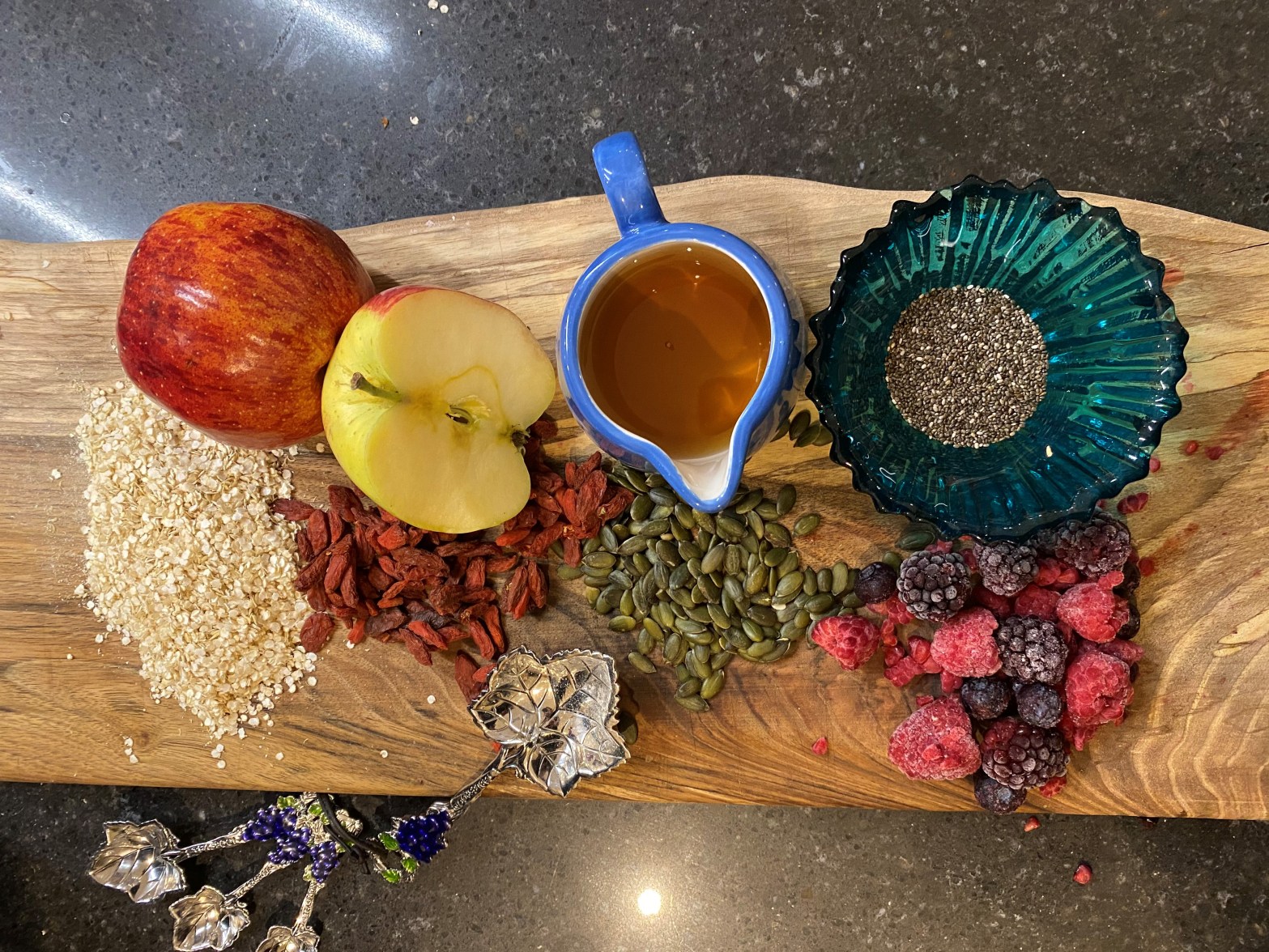
Breakfast is a very important meal of the day and for me its nice to have something special which is also good for the gut! Gut friendly overnight oats are just the thing to start your day in a healthy way.

  • 100g raw oats (preferably organic)
  • 1 apple
  • 30g goji berries
  • 15g chia seeds
  • Handful of pumpkin seeds
  • 200ml oat milk (or any milk you prefer, preferably not dairy)
  • 30g berries (fresh when in season, otherwise frozen)
  • 2 tbsp maple syrup or coconut sugar

Method

Mix the oats, gogi berries and chia seeds together. Wash and grate the apples and mix through the oat mixture. Add the milk to the mixture and combine thoroughly. Cover and leave in the fridge overnight.

The following morning place the berries and maple syrup in a saucepan with a little water and bring to the boil. Simmer at a low heat for about 5 minutes, remove from the heat and allow to cool.

Dish up however much of the overnight oats as you want, and add a little milk if you feel the oats is too dry.  Pour the berries over the oats, as well as the pumpkin seeds.  You can add a sprinkle of cinnamon if you want.  Now, enjoy your wonderfully healthy breakfast, knowing you are good to  yourself!

Gin – friend or foe?

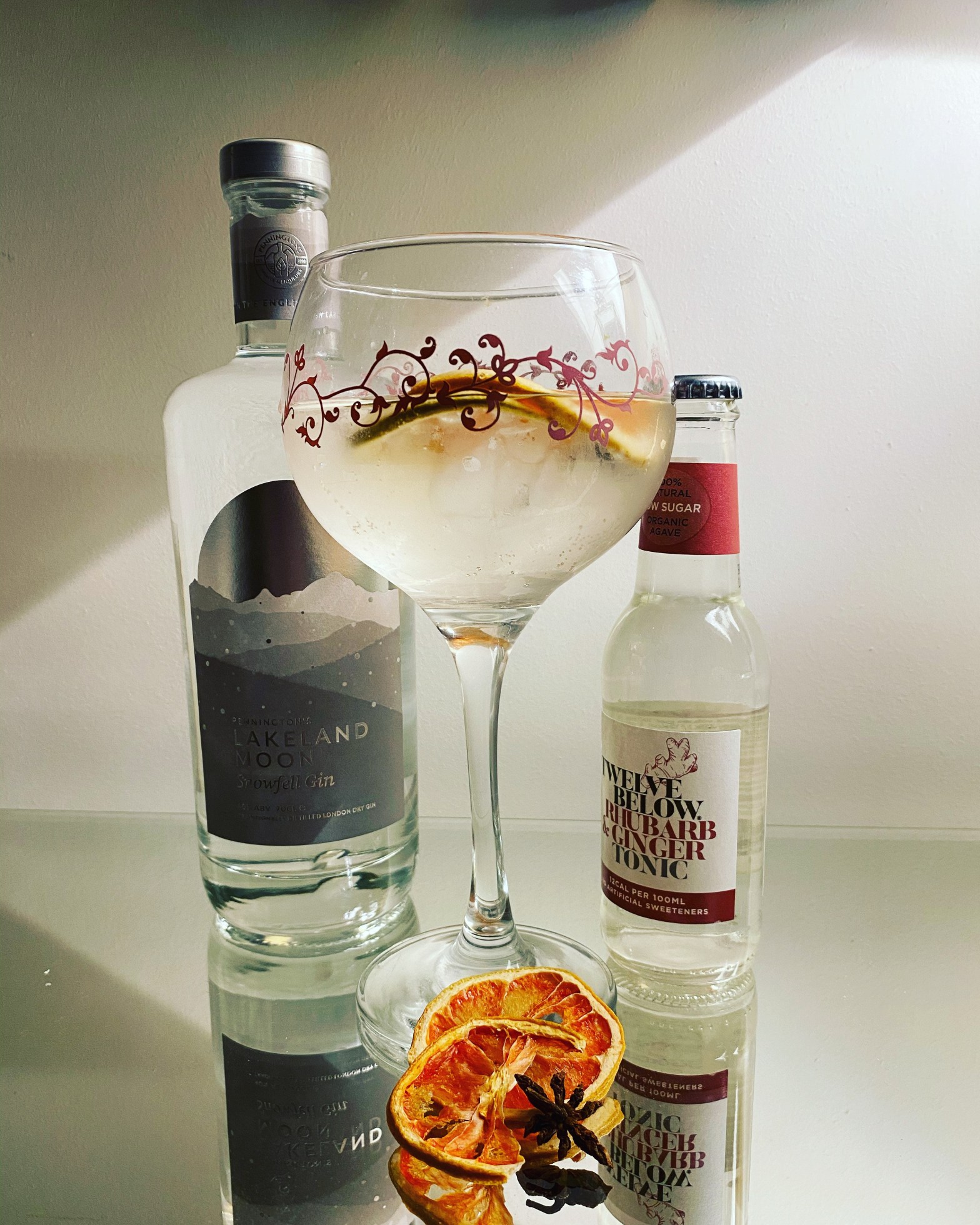
Welcome to my first post on my new page and thank you for reading to the end. I’m not going to talk about healthy food today, instead I’m going to discuss a rather controversial topic – gin and tonic. That’s right – the lovely refreshing drink most of us enjoy all year long. I see you raise your eyebrow, wondering if I’ve lost my marbles. I have not.

We are told over and over again to stop drinking alcohol as it makes us fat, it is extremely unhealthy, and most of the time, I agree. We should never overindulge as we add tremendous strain on our bodies. Too much of a good thing is just not good anymore. But are there health benefits to certain alcoholic drinks? Yes, there are. And I’ll start with gin and tonic.

Historically, British soldiers who served in the army of the British East India Company in India and Africa were told to drink quinine in the form of a tonic to cure malaria. This quinine tonic, however, was very bitter, and the soldiers added their daily allowance of gin to the tonic and voila! G & T was born. The tonic did nothing to cure malaria but the drink was delicious. So G & T has been around since the 1700s.


What makes gin medicinal? We all know gin is made from juniper berries, which are considered a super fruit. The berry is originally from Scotland and contains high levels of vitamin C and flavonoids. And we all know you take vitamin C to fight off chest and throat infections. Juniper berries and plant botanicals contain essential oils that give gin its smooth texture. The berries act as a natural medicine that contains antioxidants, and have anti-fungal and anti-microbial properties. So, combine gin and ginger, and you have a remedy for your sore throat!

Juniper berries can also help heal your skin as they are loaded with the same antioxidants that promote the regeneration of the cells in your body. It also fights bloating and urinary tract infections as the gin and berries act as a diuretic, thus preventing water retention. The more you urinate, the more the toxins and bacteria linked to infections are flushed out.
Gin could also assist in keeping your blood circulation flowing as you get older. The flavonoids in gin also help reduce chronic diseases like cardiovascular disease, cancer and neurodegenerative disorders (US National Library of Medicine).
Now for the best news of all – gin is relatively low in calories – 97 calories per tot!


So – all good news, no? Not all of it. The above does not mean you have to drink a bottle of gin every day. One tot a day is more than enough. Please don’t think that I am also not promoting drinking alcohol every day. I’m just trying to ease your mind when you have your G & T! Remember – everything in moderation!


(Thank you Wikipedia; Gin and Tonicly Ginfluencers and GoodtoKnow for the facts!)