I have a lovely friend who suffers from Rheumatoid Arthritis (or RA for short), accompanied by Sjorgens’ Disease. I decided to dedicate this week’s blog to RA, as it links so closely to gut heath. I will do another blog on Sjögrens in a few weeks.
First, let’s look at inflammation. Inflammation is usually not a bad thing, as, at times of infection, trauma or any other harm to the body; inflammation protects the injured tissue from further infection and assists in starting the healing process. It does this by increasing blood flow to the damaged tissue in order to deliver important blood cells and proteins as well as wash away unwanted breakdown products or debris. This is best seen in the skin. Inflammation appears red and hot because of increased blood flow and the intense activity of cells. These cells leak into the skin tissues along with fluid and proteins from the blood to produce swelling. The same process occurs in all parts of the body whenever injured.
However, in an autoimmune disease, inflammation occurs by mistake. Increased blood flow and cells arrive at a given site, causing heat, swelling, pain and loss of function, but there is no infection or trauma. So, the body is attacking a non-existing infection, there is no harm to the site and no external damage. This is why it is called autoimmunity. An autoimmune disease happens when the body’s natural defence system can’t tell the difference between your own cells and foreign cells, causing the body to mistakenly attack normal cells.
RA is a systemic autoimmune disease. Systemic means something that affects the entire body, rather than a single organ or body part. For example, systemic disorders, such as high blood pressure, or systemic diseases, such as the flu, affect the entire body. RA is considered to be the most common inflammatory articular disease among the general population. However, not only the joints are affected; any organ can be affected.
The above is really grim and depressing. It puts a damper on RA sufferer’s everyday life. And the cause of it is unknown. Speculation and investigation have focussed on genetics, abnormal bowel permeability, lifestyle, nutritional factors and a host of other things. RA is a multifactorial disease, meaning there are many aspects that contribute to this disease.
But all is not lost. Research has shown that a healthy gastrointestinal (GI) tract plays a very important role in overall health and has the most immune cells in the body. A faulty immune system causes the most common types of inflammatory arthritis, which includes gout (and you thought it was only too much red wine!) and RA.
But what does gut health have to do with these conditions? There are many microbes and microorganisms that live in our bodies. The ones that live in our gut are called the microbiome. The way these microbiome and all the other microbes and microorganisms interact with the immune system is extremely important. The microbiome in the GI tract helps digest our food, it makes important vitamins and controls the growth of cells in our lungs, intestines and other organs. They also help to teach our systems to differentiate between harmless bacteria and germs that cause illnesses. Specific gut microbes activate immune T-cells that promote or suppress inflammation. When you are healthy, your healthy microbiomes do their job and the immune system can destroy pathogens (a bacterium, virus, or other microorganism that can cause disease) and harmless cells go about doing what they are supposed to do. The problem comes in when there are too many pro-inflammatory T-cells or not enough anti-inflammatory cells to constrain them. And that is why researchers think that a problem with the microbiome might play a major role in inflammatory types of arthritis.
There are a host of factors that can disrupt these precious little microbiome. Smoking, antibiotics, stress and certain food all play a role in the disruption. As far as food is concerned, virtually any food can aggravate RA, but the biggest offenders are wheat, corn, milk and other dairy products, beef, nightshade foods (like potatoes, tomatoes, aubergines, peppers and tobacco) and (I’m sorry to say!) coffee. When disrupted, it can trigger an abnormal immune response and inflammation in the gut. This in turn causes problems throughout the body. Inflammatory cells can escape into the bloodstream and travel to other parts of the body, causing other illnesses, such as Sjögrens (pronounced sher-grenz) syndrome, which is also an autoimmune condition. The inflammation seen in Sjögren’s syndrome particularly affects the glands in your body that produce tears and saliva. This causes your eyes and mouth to become dry. Other parts of the body can also be affected, leading to dryness of the skin, throat, breathing tubes and gut.
So, how do we optimize our gut health? Firstly, we need to look at gut bacteria, as it plays a critical role in autoimmune diseases. To start with, you need to introduce probiotics and prebiotics to your gut. Probiotics are live bacteria or yeast with lots of beneficial health benefits that are found in certain foods or supplements, and prebiotics are types of fibre that feed the friendly bacteria in the digestive system. Gut bacteria in your digestive tract help protect you from harmful bacteria and fungi and aid in immune system functions among other benefits. Some gut bacteria form vitamin K. Vitamin K is a group of vitamins that the body needs for blood clotting, helping wounds to heal, and may help keep bones healthy.
What should you eat? Many foods naturally contain prebiotics, such as legumes, beans, and peas; oats; bananas and berries; Jerusalem artichokes; asparagus; dandelion greens and alliums such as garlic, leeks and onions. Prebiotics are found in vegetables, fruits, and legumes. Humans are not able to digest these types of fibre, but your good gut bacteria can digest them. These types of fibre provide nutrients to the bacteria that support healthy digestion and immune function.
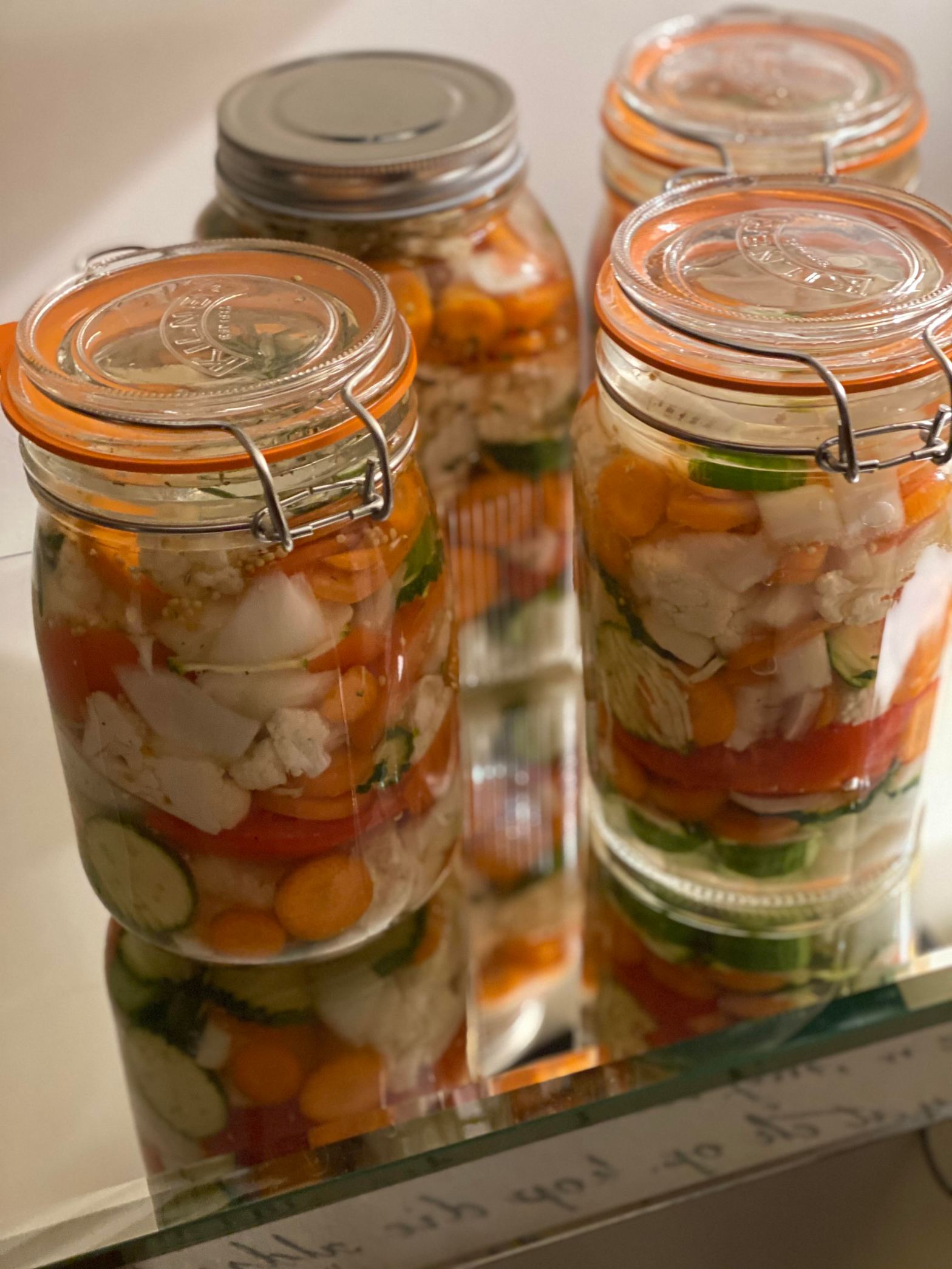
As far as probiotics are concerned, foods such as yoghurt, (especially plain yoghurt with live cultures) contain natural probiotics. Other foods that contain probiotics are fermented foods, such as sauerkraut, kimchi, kombucha, kefir (dairy and non-dairy) and unpasteurised pickles. Fermented foods contain beneficial bacteria that thrive on the sugar that occurs naturally in the fibres that are in the food. However, make sure these fermented foods are not pasteurized, as pasteurisation kills the bacteria. I am attaching a lovely recipe for tomato ferment with this week’s blog.
Which food should an RA sufferer avoid? At this stage, research has found no concrete research on diets that can treat RA, but advises against pro-inflammatory foods such as grilled and fried meats and fried foods (rather steam, simmer, or braise lean proteins); trans-fats that are found in processed foods such as biscuits, margarine, and vegetable oils. Trans-fats and are used to reduce the chance of food spoilage and to increase shelf life. Trans-fats can increase inflammation as well as increase the risk of insulin resistance and obesity, which is a known risk factor for RA. On top of this, trans-fats can also raise bad cholesterol and lower good cholesterol, thus increasing the risk of heart disease.
What other foods should be avoided? The main culprits are sugars and refined carbohydrates. The molecules in these foods trigger the release of cytokines, or inflammatory messengers in the body. Fizzy drinks, fruit juices and pastries contain sugars that lead to inflammation. Unfortunately, sugar substitutes and foods that end in “–ose”, such as fructose, sucrose, glucose can also cause inflammation.
Gluten is another enemy of the joints and should be avoided. Preservatives and flavour enhancers such as monosodium glutamate (MSG), a chemical ingredient added to many foods as a flavour enhancer can also trigger inflammation.
Should alcohol be avoided? “Alcohol in moderation might be okay,” says Dr Halyna Kuzyshyn, certified in rheumatology and internal medicine. “In fact, red wine contains resveratrol which has been found to have anti-inflammatory effects. On the other hand, though, too much alcohol can cause liver damage, enhance medication-induced liver toxicity, and cause inflammation.” Women should not have more than one glass of wine per day, and men not more than two. Alcohol taken with anti-inflammatory drugs can increase your risk of stomach bleeding and liver problems.
Food Prescriptions. Start by eliminating possible food allergies by excluding certain foods (such as those mentioned above) from your diet, and increasing foods that contain antioxidant nutrients, such as in a vegetarian diet. Alter your daily oils and dietary fats as well. After a few weeks, start to reintroduce the food you eliminated slowly and carefully in order to detect which foods triggers inflammation. A diet rich in whole foods (food that is free from additives and other artificial substances), organic vegetables, fibres low in sugar, organic, free-range meat, refined carbohydrates and animal fats is recommended. A diet rich in fresh fruit and vegetables is extremely important, especially fruits such as berries, which are an excellent source of antioxidants. Yellow and green vegetables, such as squashes, pumpkin, sweet potatoes, carrots and the cabbage family contain carotenoids, another beneficial antioxidant. Cold-water fish such as mackerel, halibut, herring, sardines and salmon are known for decreasing inflammation as they are a rich source of Omega-3. Fish oils and olive oil acts as neutral fat in the diet and should replace all other fats.
To end my blog, one last bit of excellent advice – pineapples, along with fresh ginger and turmeric root, relieve symptoms of RA. This is due to bromelain in the pineapple and the anti-inflammatory actions in ginger and turmeric. So, at times of flare-ups, make a mixture of pineapple juice, grated ginger and grated turmeric for quick relief!
(Sources: Oxford University Hospitals; National Library of Medicine; The Encyclopedia of Healing Foods; Linda Rath)
 The Brain-Gut Axis Natural Coach