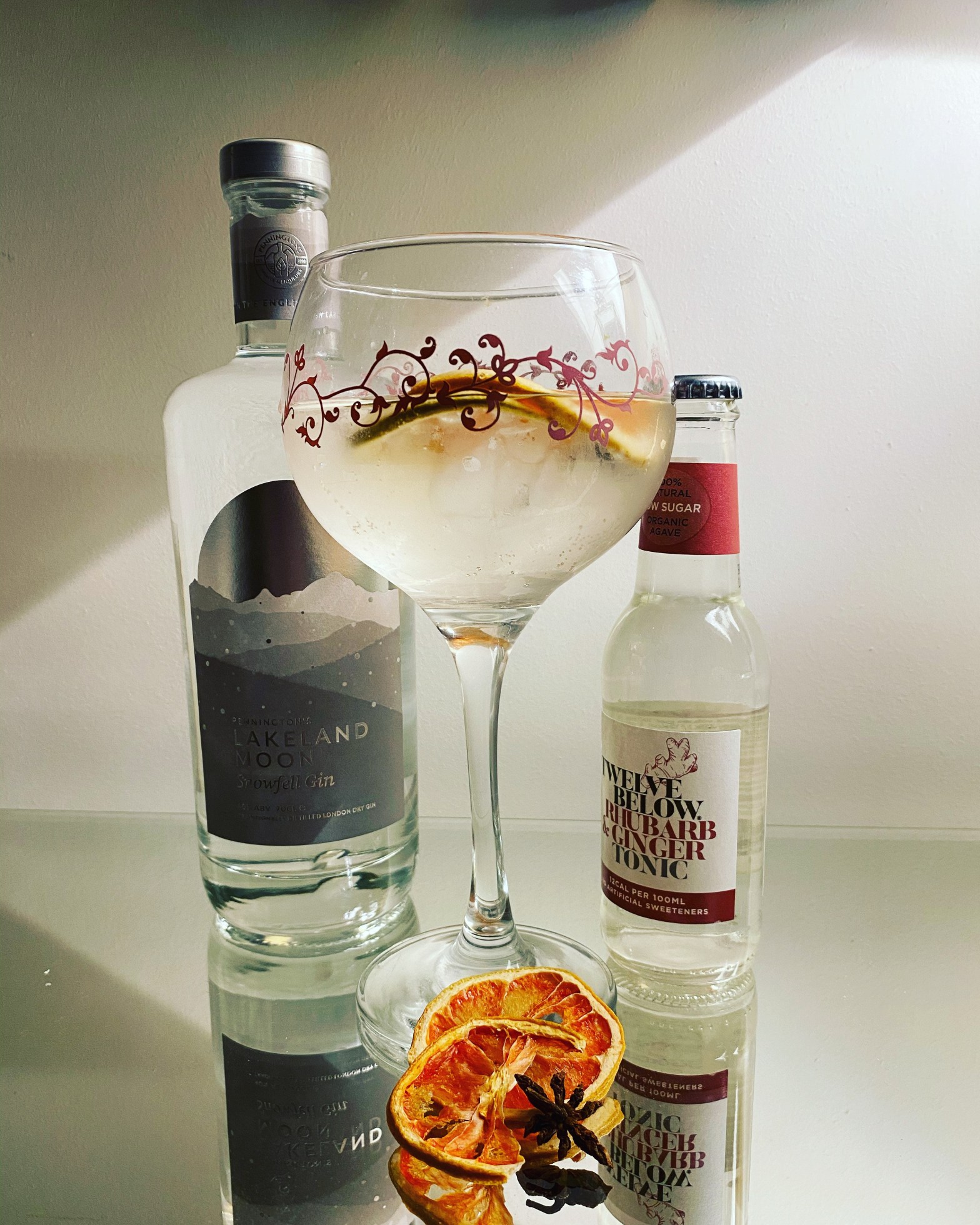
Welcome to my first post on my new page and thank you for reading to the end. I’m not going to talk about healthy food today, instead I’m going to discuss a rather controversial topic – gin and tonic. That’s right – the lovely refreshing drink most of us enjoy all year long. I see you raise your eyebrow, wondering if I’ve lost my marbles. I have not.
We are told over and over again to stop drinking alcohol as it makes us fat, it is extremely unhealthy, and most of the time, I agree. We should never overindulge as we add tremendous strain on our bodies. Too much of a good thing is just not good anymore. But are there health benefits to certain alcoholic drinks? Yes, there are. And I’ll start with gin and tonic.
Historically, British soldiers who served in the army of the British East India Company in India and Africa were told to drink quinine in the form of a tonic to cure malaria. This quinine tonic, however, was very bitter, and the soldiers added their daily allowance of gin to the tonic and voila! G & T was born. The tonic did nothing to cure malaria but the drink was delicious. So G & T has been around since the 1700s.
What makes gin medicinal? We all know gin is made from juniper berries, which are considered a super fruit. The berry is originally from Scotland and contains high levels of vitamin C and flavonoids. And we all know you take vitamin C to fight off chest and throat infections. Juniper berries and plant botanicals contain essential oils that give gin its smooth texture. The berries act as a natural medicine that contains antioxidants, and have anti-fungal and anti-microbial properties. So, combine gin and ginger, and you have a remedy for your sore throat!
Juniper berries can also help heal your skin as they are loaded with the same antioxidants that promote the regeneration of the cells in your body. It also fights bloating and urinary tract infections as the gin and berries act as a diuretic, thus preventing water retention. The more you urinate, the more the toxins and bacteria linked to infections are flushed out.
Gin could also assist in keeping your blood circulation flowing as you get older. The flavonoids in gin also help reduce chronic diseases like cardiovascular disease, cancer and neurodegenerative disorders (US National Library of Medicine).
Now for the best news of all – gin is relatively low in calories – 97 calories per tot!
So – all good news, no? Not all of it. The above does not mean you have to drink a bottle of gin every day. One tot a day is more than enough. Please don’t think that I am also not promoting drinking alcohol every day. I’m just trying to ease your mind when you have your G & T! Remember – everything in moderation!
(Thank you Wikipedia; Gin and Tonicly Ginfluencers and GoodtoKnow for the facts!)
 The Brain-Gut Axis Natural Coach